Rural Health, Childcare and Broadband
The Democratic Case for a Stronger Rural Safety Net
Rural towns have fewer clinics, fewer jobs and longer distances to help. Here is the Democratic case for a stronger rural safety net, the objections, and where to find assistance now.
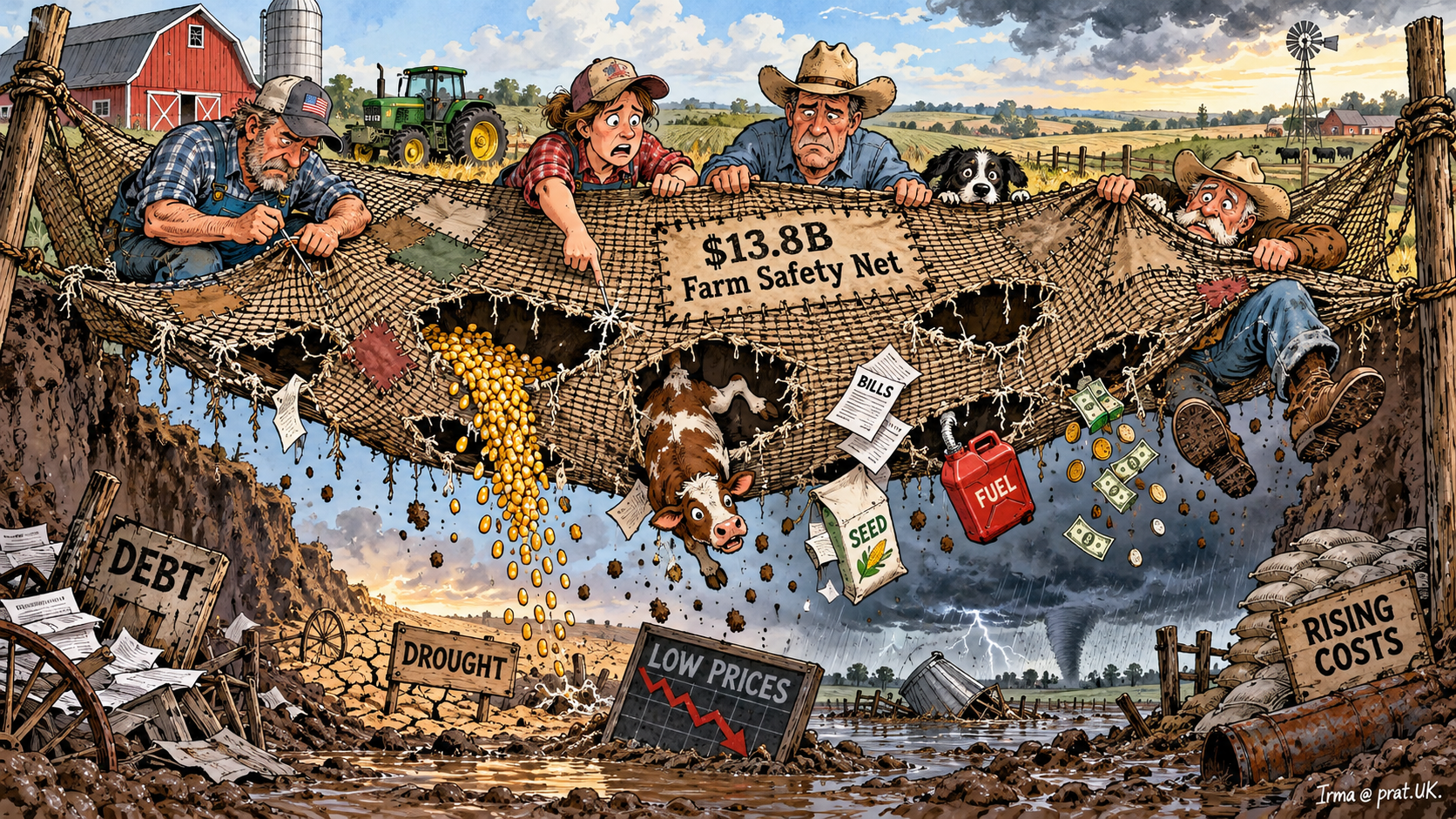
What does the rural safety net include?
Beyond farm programs, rural families rely on nutrition assistance, health coverage, unemployment insurance, disaster aid, school meals and community services. These programs differ from the farm safety net of insurance and commodity payments, though the two overlap when a farm family has a bad year.
Supporters argue that rural areas have higher shares of older residents, lower wages and fewer providers, so the safety net matters more. Check data at USDA ERS rural reports and the Bureau of Labor Statistics for employment patterns, and compare to what the speeches claim.
For a farm family, the two systems blur. A bad crop year can mean farm program payments and food assistance in the same household, and each has its own forms and deadlines.
What do Democrats propose?
Supporters call for protecting and expanding nutrition programs, maintaining health coverage, supporting rural hospitals and childcare, improving disaster response, and investing in community development and broadband. They often argue that these supports are good for rural economies since the money is spent locally.
Read specific bills at Congress.gov and cost analysis from the Congressional Budget Office. Some of these programs are run by USDA through Rural Development and others by state agencies, so where you apply depends on the program.
Disaster aid is part of this picture too. After a hailstorm, flood or wildfire, families may qualify for help through state and federal programs, and the Ready.gov site explains how to prepare before it happens.
What do critics argue?
Critics respond that a larger safety net costs too much, can discourage work if poorly designed and should be managed closer to home through states and communities. They argue that economic growth, not benefits, is the way to strengthen rural places. Others say fraud and complexity waste money.
Supporters answer that most benefits go to working families, older adults and children, and that safety net programs also stabilize local businesses. Studies exist on both sides, so look at the actual programs and their evidence instead of slogans. The GAO publishes program reviews.
There is also a fairness debate that cuts both ways. Some rural residents resent programs they see as handouts, while others say pride keeps eligible neighbors from applying, which leaves help unused.
How does it look in rural Colorado?
Colorado has farm families, ranch hands, seasonal workers and retirees spread across large distances. In Pueblo County and the Arkansas Valley, towns have different needs than Front Range suburbs. The Colorado.gov portal is a starting place for state benefit programs, and CSU Extension can connect you to local resources.
The rural living guide gathers practical ideas for stretching a household budget in the country, and the agriculture careers guide covers work options when farm income falls short.
Small towns sometimes lack a nearby office, so phone and online applications matter. Libraries and extension offices can help with computers and forms.
What help can you get now?
Start with 211 or your county human services office to learn about local programs, and talk to your FSA office about farm-specific help. Food banks, school meal programs and community health centers also serve rural residents. Applying is not a failure; programs exist for hard times.
If stress is heavy, you are not alone. You can call or text 988 any time, and the 988 Suicide & Crisis Lifeline serves farm families too. Seek help early. This is general information, and local agencies can explain eligibility.
If a program denies you, ask about appeals. Mistakes happen, and a second look sometimes changes the outcome.
Where can you read more and see other views?
The National Farmers Union and the Colorado Farm Bureau publish on rural policy. On farm.FM, farm news and satire and farming stories keep the human side in view, and a story on the rural safety net fits well.
The safety net is for everyone, whatever the politics. Know what exists before you need it.
Local newspapers, church groups and county fairs often share word of programs faster than any website. Ask around, and pass along what you learn to a neighbor who may be too proud to ask.
Sources and further reading
- USDA Economic Research Service: farm economy data and analysis
- Bureau of Labor Statistics: labor and price data
- Congress.gov: bills and legislative status
- Congressional Budget Office: cost estimates for federal programs
- 988 Suicide & Crisis Lifeline: call or text 988
Ask locally: Call your Pueblo County human services office or 211 to learn which local programs fit your household.