Rural Health, Childcare and Broadband
Why Democrats Believe the Farm Bill Is a Tool for Rural Prosperity
The farm bill is usually described as a crop subsidy law, but it covers much more. Democrats who call it a tool for rural prosperity point to the parts that reach main street.
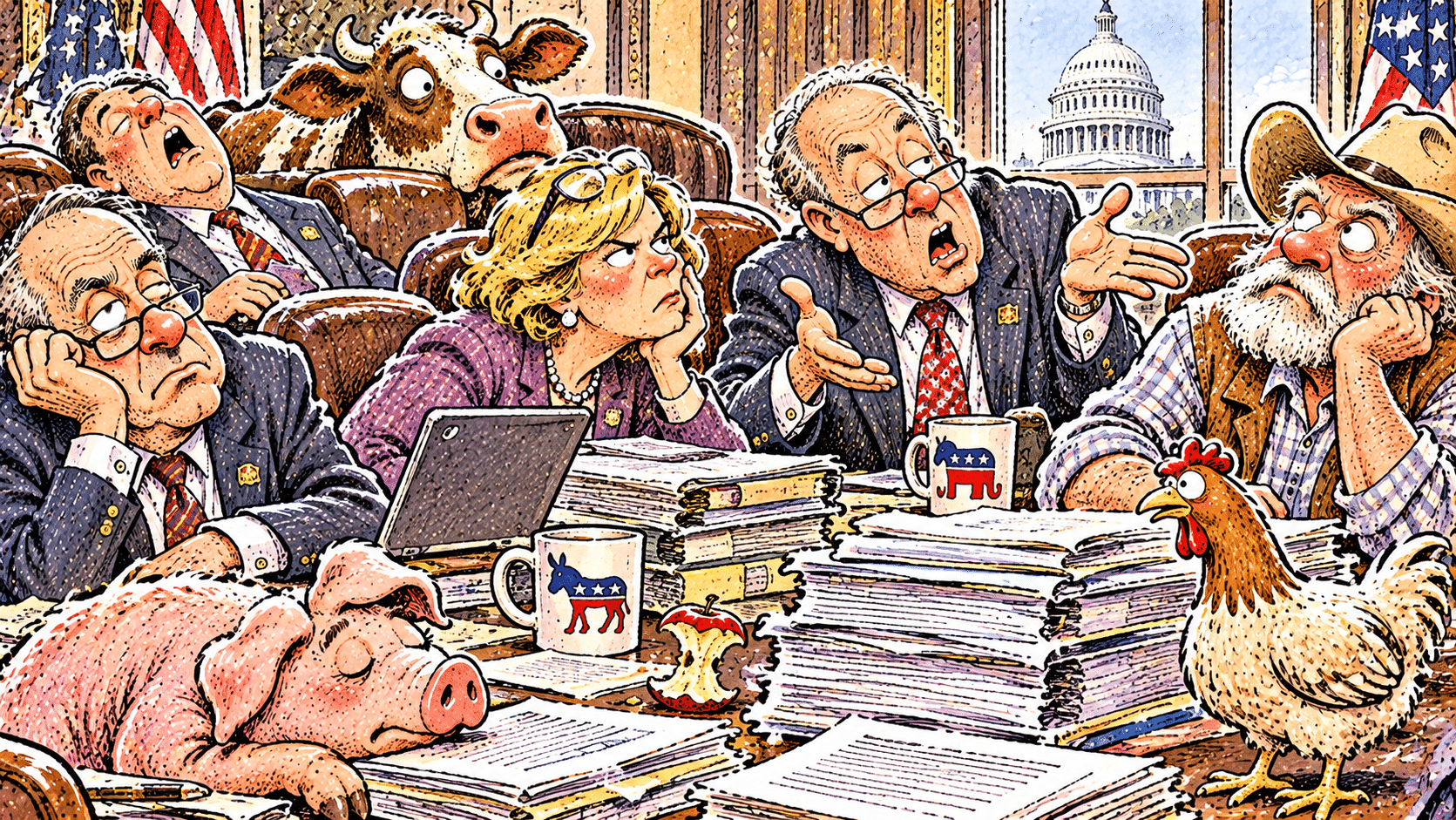
What is in the farm bill?
The farm bill is a package of federal law renewed on a multi-year cycle. It is organized in titles, such as commodity programs, conservation, trade, nutrition, credit, rural development, research and crop insurance. Most people are surprised how much of it deals with something other than planting and harvesting.
You can read the committee work at the House Agriculture Committee and the Senate Agriculture Committee, and track bill text at Congress.gov. The titles are the best map of what the law does.
Why do Democrats call it a rural prosperity tool?
Supporters argue that rural prosperity depends on more than crop prices. They stress rural development, broadband, conservation, local food and nutrition programs that support main-street businesses. In their telling, the farm bill is the one federal law that reaches the whole rural economy.
The USDA Rural Development programs cited in this argument include loans and grants for water systems, community facilities and rural businesses. A farm family may use none of them, but their town probably does.
What does the nutrition title have to do with it?
Many Democrats defend the nutrition title strongly, because it keeps the farm bill together politically and because nutrition spending flows through rural grocery stores and farmers' markets as well as cities. Supporters say that tying it to farm programs keeps both going.
Critics respond that nutrition spending is a different subject and should be debated separately, and some argue for changes to eligibility or work rules. This is one of the most contested pieces, and it is worth reading exactly what each side proposes.
A local story illustrates the point without any statistics: a farm family may never touch a rural development grant, yet the water system their town depends on, or the clinic they drive to, might have been financed through one. That is the heart of the prosperity argument.
What do critics argue?
Skeptics say the farm bill is mostly a subsidy for the largest producers and that calling it a rural prosperity plan overstates what it does. They point to evidence that commodity payments tend to flow to bigger operations and can bid up land prices.
Others from the market-oriented side say that the safety net distorts decisions and that rural prosperity comes from private investment. Supporters answer that safety nets keep family farms in business through bad years. The CBO and the Economic Research Service publish data readers can use to test these claims.
How does this reach Pueblo and southern Colorado?
A county like Pueblo sees the farm bill in several ways: conservation payments for ranchers, crop insurance for irrigated producers, rural development loans for water or community buildings, and nutrition benefits for families. The Colorado Department of Agriculture and CSU Extension can describe how programs work at the state level.
Money questions are covered at this farm money resource and community development basics at a rural community guide.
Why does timing matter for the farm bill?
Farm bills are supposed to be renewed on a regular schedule, but extensions and delays are common. When programs run on extensions, farmers can face uncertainty about payment rules and sign-up periods. Supporters of finishing on time argue that predictability is a form of rural prosperity too.
Critics counter that short extensions are sometimes better than a rushed bill, and that the delays reflect real disagreements about spending. Either way, expect the details to change, and verify sign-up dates with FSA before you make decisions based on any news report.
What should a farm family do with this, and where can you read more?
Do not wait for a final law to learn what is available. Visit your local FSA and NRCS offices, ask which programs are open now, and confirm deadlines. Check each program's current terms, since farm bill provisions can change when a new bill passes.
Keep records, because most programs require documentation. A few hours of preparation can matter more than months of arguing about the politics.
Compare the Democratic argument with what farm groups such as the American Farm Bureau Federation and the National Farmers Union say, since they often disagree with each other. At farm.FM, the farm economics section follows policy, and the news and satire page reminds us that Washington is not always efficient. See a farm.FM story on the farm bill and the rural economy.
Sources and further reading
- House Agriculture Committee: farm bill and ag policy in the House
- Senate Agriculture Committee: farm bill and ag policy in the Senate
- Congress.gov: bills and legislative status
- USDA Rural Development: rural business and community programs
- Congressional Budget Office: cost estimates for federal programs
- American Farm Bureau Federation: national farm organization
Ask locally: Your local FSA or NRCS office can explain which farm bill programs are open to you right now.