How Democrats Are Working to Reduce Regulatory Burdens on Farmers
Farmers deal with forms, inspections and rules from several agencies. Democratic supporters say the goal is simpler paperwork without dropping protections, and critics ask whether that is possible.
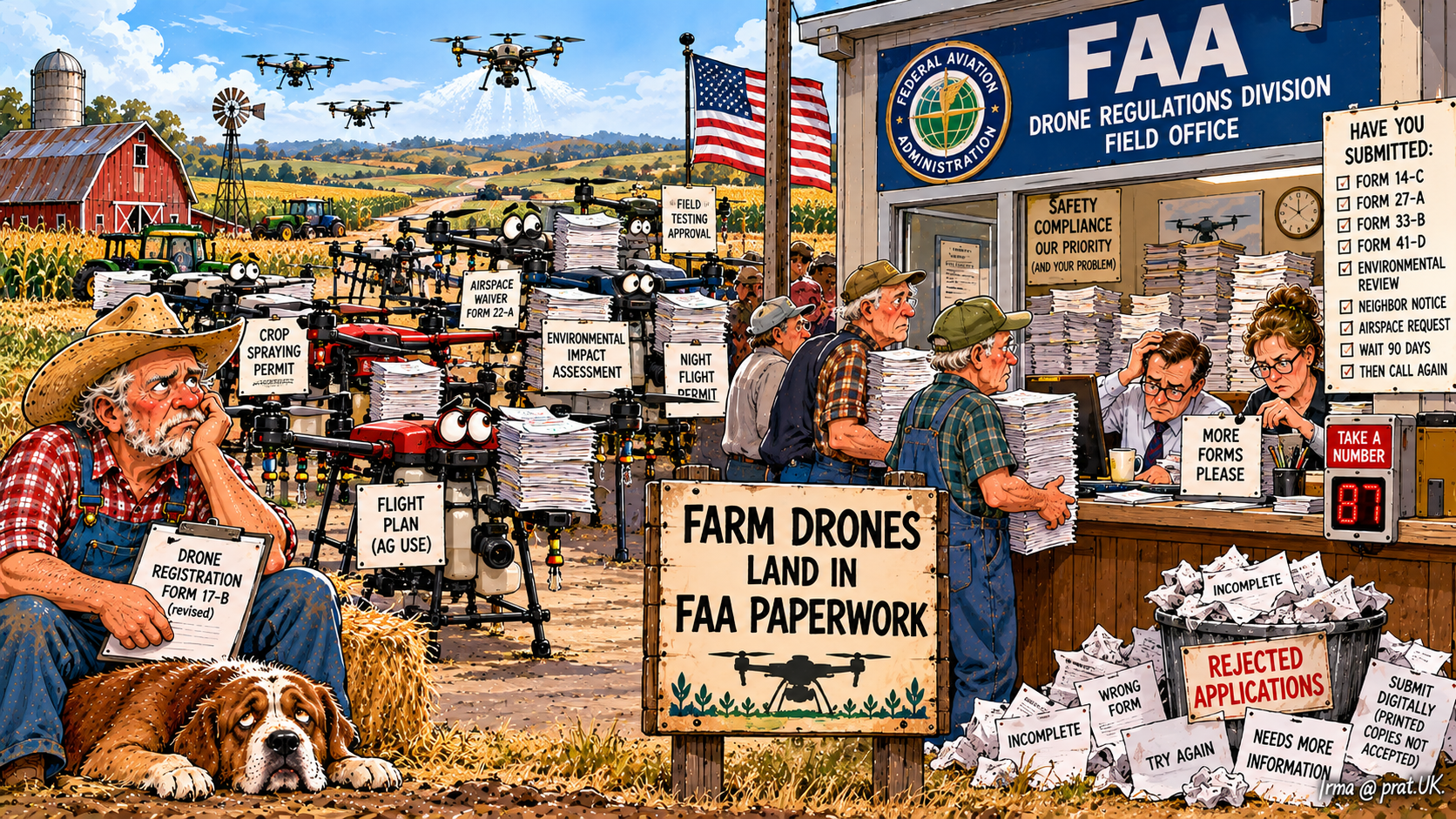
What burden do farmers actually feel?
Ask a farmer about regulation and the answer is often about paperwork and timing more than any single rule. Program applications, labor and safety rules, environmental permits, food safety records and tax filings all come from different offices and rarely line up.
Supporters of the Democratic approach say they want to cut the friction: shorter forms, one place to file, faster answers and clearer guidance, while keeping the protections the rules exist to provide. Farmers.gov at USDA's one-stop site is an example of the one-stop idea.
A small operation without an office manager feels each form more than a large one does. Compliance also differs by what you sell. A grain farmer, a dairy, a produce grower and a farm with employees each face a different stack of rules, which is why a single reform slogan rarely fits everyone. Supporters say that is a reason to ask farmers which forms cost them most.
What do supporters propose?
Supporters talk about streamlining applications across USDA agencies, giving farmers plain-language guidance and technical help in meeting rules, and tailoring requirements to the size of the operation so small farms are not treated like large ones.
They also want agencies staffed well enough to answer questions and process claims on time, arguing that understaffing creates more burden than the rules themselves. See FSA and NRCS for the programs most producers use.
Check current forms and deadlines directly, since they change. A good test of any simplification plan is whether it asks for the same information twice. Supporters say agencies should share data so a farmer does not re-enter the same acreage, income and ownership details for every program.
- Shorter, simpler applications
- One place to file and track
- Scaling rules to farm size
- Staffing to answer questions quickly
Which rules do farmers mention most?
Common complaints include labor and housing rules, workplace safety, pesticide and water rules, food safety standards and reporting requirements. Each has a purpose, and each has defenders who say that weakening it harms workers, neighbors or consumers.
Federal safety and labor rules come from OSHA and the Department of Labor, and a farm that hires should check them or ask a licensed professional. The farm safety guide covers practical steps.
Other complaints involve timing. Permits that take months, or inspections that arrive at harvest, can cost more than the fee itself, and supporters argue that predictable schedules would help.
What do critics say?
Critics, including many Republican lawmakers and farm business groups, respond that simplifying paperwork is not enough and that the real problem is the number and cost of rules, especially on land and water use. They want rules repealed or limited.
On the left, some advocates worry that talk of burden can become a cover for weakening worker and environmental protections. They want paperwork cuts but not rollbacks.
The disputed facts include how large the compliance cost is for a typical farm and which rules cost the most. Look to independent reports from GAO and USDA ERS to test the claims. A fair summary is that nearly everyone wants less friction, but people disagree about which rules are friction and which are protection. That is a debate worth following closely.
How can a farm handle compliance now?
Keep a calendar for deadlines, a folder for each program, and copies of what you send. Ask your local office to walk you through forms, and ask them what documents they need before you start.
For Colorado, the Colorado Department of Agriculture and CSU Extension publish guidance, and the small farm guide has checklists. For tax or legal questions, ask a licensed professional, since this site is commentary, not advice.
Hire help if you need it. A bookkeeper, tax preparer or consultant can often pay for themselves by catching deadlines and credits you would miss, but ask for references and check credentials first.
Keep reading
Policy stories and jokes are at farm.FM agribusiness and farm.FM satire, where paperwork is a favorite target. One related story is a farm.FM piece on farm paperwork.
Rules change, so confirm each one with the responsible agency.
If you want your own views heard, comment periods on federal rules are open to everyone, and local farm groups often organize responses. It also pays to ask your representatives what they mean by cutting burden, since the phrase can describe very different plans. Ask which rule they would change, who would be affected and how the protection would be kept.
Sources and further reading
- Farmers.gov: USDA one-stop site for producers
- USDA Farm Service Agency: FSA farm programs and loans
- USDA NRCS: conservation programs and technical help
- OSHA: workplace safety
- U.S. Department of Labor: labor rules and programs
- GAO: government watchdog reports
Ask locally: Your local FSA or NRCS office can walk you through current forms and deadlines.