What a Democratic-Controlled Congress Means for Farmers in 2027
Nobody can say how a future Congress will vote, but farmers can learn which issues would be on the table. This is how Democrats describe their priorities, how critics respond, and how to track the real work.
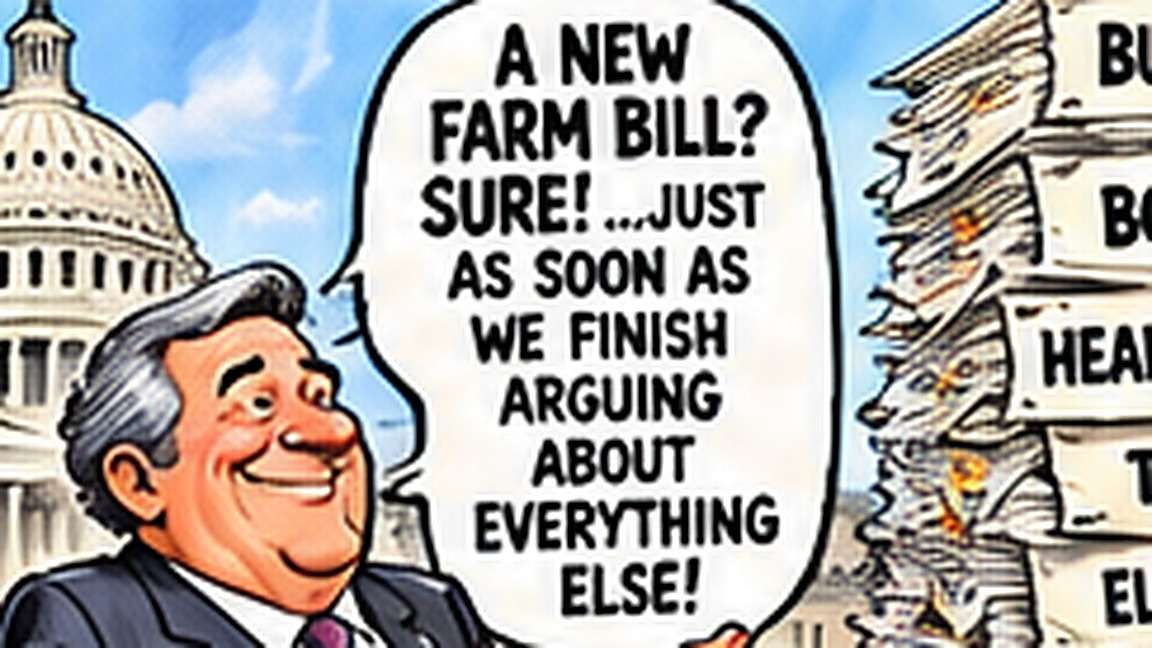
What does control of Congress change for farmers?
The party in charge sets the agenda: which bills get hearings, who chairs the agriculture committees and what reaches a floor vote. Those choices shape the farm bill, appropriations and the oversight of agencies. You can see what the committees are actually doing at the House Agriculture Committee and the Senate Agriculture Committee, which post hearings and legislation.
This piece does not predict an outcome or tell anyone how to vote. It explains what supporters of Democratic control say they would prioritize, then gives the strongest objections. The headline's year is an editorial frame, and what happens in 2027 depends on events no one can forecast.
What do supporters say would be priorities?
Supporters point to a set of themes: stronger enforcement of competition rules in meatpacking and input markets, more help for beginning and small farmers, expanded conservation and energy support, and attention to rural health care and broadband. They argue these address costs and market power that farmers feel directly.
On labor, many supporters favor changes to the farm labor system so employers can find workers legally and workers have predictable rules. Others on the left argue for stronger worker protections. Check the Department of Labor for the current rules on farm labor and visa programs, since they are technical and change.
- Competition and market fairness in livestock and inputs
- Support for beginning and smaller farms
- Conservation and rural energy funding
- Rural health, childcare and internet access
What would that mean in Colorado?
Colorado producers span cow-calf ranches, dairies, vegetable and hay growers, irrigated corn, and dryland wheat. Pueblo-area growers and ranchers may care most about water, input costs and market access. The Colorado Farm Bureau and the Colorado Cattlemen's Association track federal developments from their members' point of view, and it is worth reading what they say, even when you disagree.
If you want the personal finance angle, the farm money basics here are a good place to see how policy changes can reach a balance sheet, and this small farm planning resource covers day-to-day planning.
What do critics warn about?
Critics say a Democratic-controlled Congress would bring higher spending, more regulation and tighter rules that fall hardest on producers. They argue that antitrust actions could raise costs or disrupt supply chains, that climate and conservation requirements add paperwork, and that immigration and labor proposals could raise wages without solving workforce shortages. Others fear that trade policy would shift in ways that hurt export markets.
Supporters answer that these steps correct markets that already favor the biggest players. Both sides tend to use selective numbers, and both are capable of treating a hopeful projection as settled fact, so check cost estimates from the Congressional Budget Office and trade data from the U.S. International Trade Commission before accepting a claim.
Which facts are disputed or unknown?
A lot depends on things that cannot be known yet: the size of any majority, who sits in the White House, how the Senate votes and what the economy is doing. Farm bill timelines also slip, and extensions are common. Anyone who tells you exactly what will pass is guessing. A narrow majority behaves very differently from a wide one, and a single senator or a handful of House members from farm districts can change the shape of an agriculture bill. Rural members of both parties have historically cared about the same core programs, which is one reason farm bills have often drawn support from both sides even in tense years.
What you can do is watch signals that are real: committee schedules, bill text on Congress.gov, and economic indicators like the Ag Economy Barometer. Those show how farmers themselves feel about conditions, which is a useful reality check on partisan claims from any side.
How should a farmer prepare either way?
Whoever holds a majority, the practical steps are similar: keep records tidy, know your program deadlines, update your cash flow projection with a cautious price assumption, talk to your lender before conditions change, and read the fine print on any new program. Keep an eye on USDA Farm Service Agency announcements for programs that affect your acres and loans.
For a lighter take on Washington, farm.FM has farm news and satire and farm economics coverage, plus a farm.FM story on farm politics. We are an independent commentary site, not an agency, and nothing here is advice on how to vote.
Sources and further reading
- House Agriculture Committee: farm bill and ag policy in the House
- Senate Agriculture Committee: farm bill and ag policy in the Senate
- Congress.gov: bills and legislative status
- Congressional Budget Office: cost estimates for federal programs
- U.S. Department of Labor: labor rules and programs
- USDA Farm Service Agency: FSA farm programs and loans
Ask locally: Talk to your county Farm Service Agency office and a local Farm Bureau or cattlemen's association contact about how federal changes would reach your operation.