How a Democratic Congress Would Tackle the Farm Bill
Hypotheticals are cheap and legislation is hard. Here is how supporters say a Democratic Congress would approach the farm bill, what it would take to pass, and where the real fights would land.
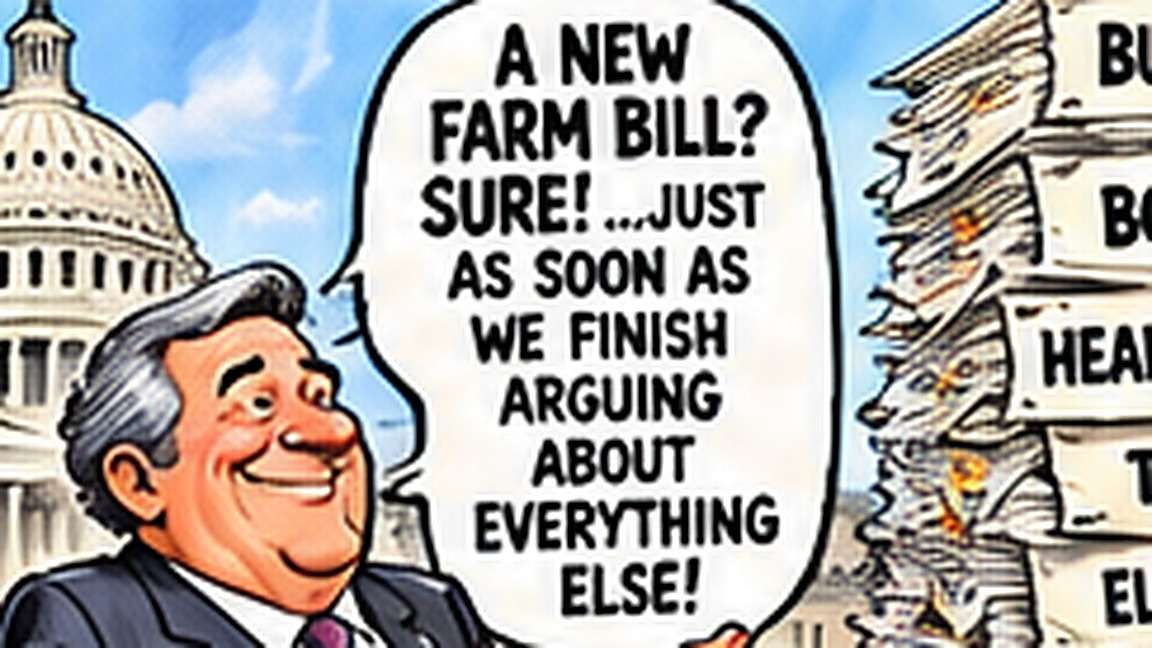
What would change first if control shifted?
The first changes would be procedural. Committee chairs set hearing schedules, decide which bills get a markup and shape the draft that members vote on. Supporters say a Democratic majority would use that power to put competition, small-farm support and rural services higher on the list. That is a statement of intent, not a forecast, and we are not predicting outcomes.
Follow the process at the House Agriculture Committee and the Senate Agriculture Committee, where hearings, markups and summaries are posted. Watching those pages teaches you more than any campaign speech.
Which priorities do supporters name?
Supporters name a familiar set: protecting nutrition programs, strengthening crop insurance and commodity supports for family operations, boosting conservation funding, extending credit to beginning and underserved farmers, and curbing concentration in meatpacking and inputs. They also talk about research funding and rural infrastructure.
Each of those has real money attached, and the price tags come from the Congressional Budget Office. A priority without a funding line is a wish, so check the scoring. You can read bill language at Congress.gov as drafts move.
For a Pueblo-area family operation, ask which of these touch your books directly. Conservation cost-share through NRCS may matter to a rancher, while credit provisions matter more to a young grower renting ground.
One more filter: ask whether a priority is mandatory spending, which continues automatically, or discretionary spending that must be appropriated every year. The difference decides whether a program is a promise or a hope, and farm groups argue about it constantly.
Could a Democratic Congress pass a farm bill alone?
In practice, farm bills have needed votes from both parties, and the Senate's rules make partisan passage difficult. Supporters therefore talk about writing a bill with enough rural and farm-state appeal to attract Republican votes. Critics doubt that a bill built on Democratic priorities would draw that support, and they point to disagreements over nutrition, climate and spending.
Either way, expect compromise. The final product reflects negotiation between chambers and with the White House, so early drafts and campaign promises usually shrink or change.
Be ready for the long middle of the process too. Months can pass between a markup and a floor vote, and extensions of the old bill can keep programs running at old rates. A farmer who treats each news cycle as a final answer will whipsaw between hope and worry.
What do critics say about the Democratic approach?
Critics respond that Democrats would spend more, regulate more and prioritize goals unrelated to farm income. Some say the emphasis on climate and conservation would burden producers, and that antitrust moves could disrupt supply chains. Others say the safety net should be tied more closely to production and risk, not social goals.
Supporters answer that voluntary incentives are not burdens, and that competition enforcement protects farmers. The honest summary is that both sides have a theory of what helps farmers, and neither theory is proven by a slogan. Read research from sources such as farmdoc daily, which analyzes farm bill provisions in detail.
What should farmers prepare for in the meantime?
Know what you are enrolled in today. ARC and PLC and crop insurance decisions are made by deadline, and the rules in force are the ones that count. Keep production records, yield histories and farm numbers tidy, since new programs reward quick, accurate paperwork.
The crop calendar guide helps you place those decisions on the farm calendar. Colorado producers can ask CSU Extension and the state agriculture department how state and federal pieces interact.
Avoid betting the farm on a bill that has not passed. Plan around what exists, and treat new money as a bonus.
It also helps to talk to neighbors. A producer who enrolled in a program last year can tell you about the paperwork, the wait and the surprises in a way no summary can.
Where can you keep up with the story?
Read the farm groups. The National Farmers Union and the Colorado Farm Bureau both publish positions, often differing. Cross-check with this farm money resource so you can see dollar effects on a household.
Over at farm.FM there is steady farm economics coverage plus a funnier angle in farm satire, and a story on the farm bill in Congress that pairs well here.
Sources and further reading
- House Agriculture Committee: farm bill and ag policy in the House
- Senate Agriculture Committee: farm bill and ag policy in the Senate
- Congressional Budget Office: cost estimates for federal programs
- Congress.gov: bills and legislative status
- farmdoc daily: University of Illinois farm economics
Ask locally: Ask your county FSA office or a CSU Extension agent how current farm bill programs apply to your farm and what you should document.