The Democratic Stance on Agricultural Trade with China
China has been one of the biggest buyers of U.S. soybeans, sorghum and other crops, and the trade relationship has swung with politics. Here is how Democrats describe their approach, and where critics disagree.
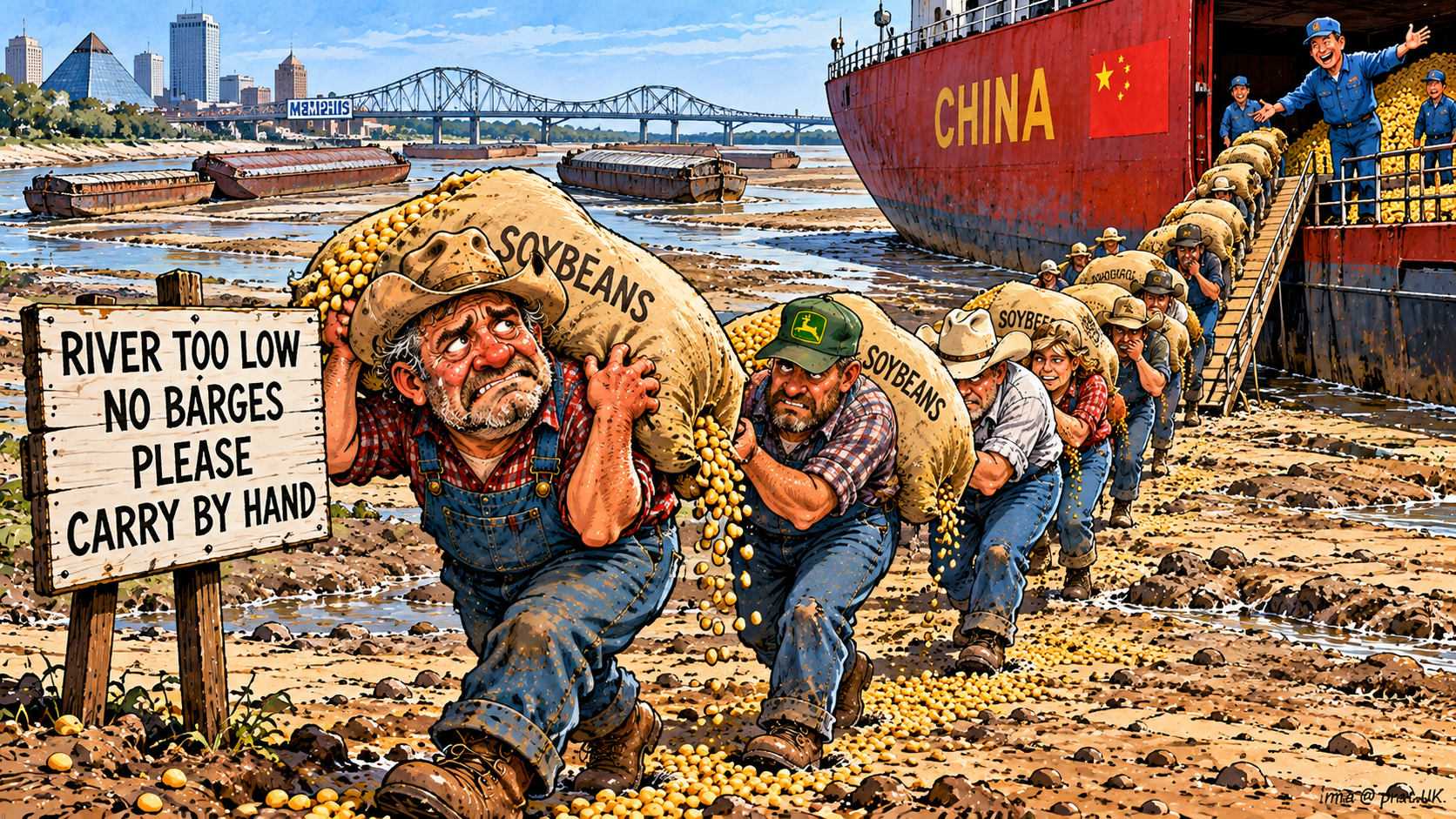
What do Democrats generally say about China and farm trade?
Supporters of the Democratic approach usually frame it in two parts: keep markets open, and stop depending on any single buyer. They argue that farmers took the hit when tariffs and retaliation disrupted sales, and that stable, rule-based trade serves growers better than sudden shocks.
That framing leaves room for different views inside the party. Some members focus on enforcement of trade agreements, others on labor and environmental standards, and others on helping farmers directly when markets are disrupted. Check any specific claim against the original statement or bill.
How does trade with China actually work for U.S. growers?
Export sales are recorded and reported, so you do not have to rely on anyone's memory. The USDA Foreign Agricultural Service publishes export data, and the U.S. International Trade Commission tracks tariffs and trade flows. The U.S. Trade Representative negotiates and enforces agreements.
For Colorado producers the connection is less direct than for Corn Belt soybean growers, but it shows up in sorghum, wheat, beef and feed prices. A buyer far away can change what the elevator in the Arkansas Valley or on the Eastern Plains pays.
What are the main Democratic ideas on trade policy?
Supporters tend to talk about diversifying customers, supporting market development, and pressing for enforcement when trading partners break the rules. They also emphasize that farmers should not carry the cost of a trade dispute alone.
Ideas that come up often include:
- Diversifying export markets so one buyer cannot dominate
- Using trade enforcement tools when agreements are broken
- Direct help for producers hit by retaliation
- Market promotion through programs at the International Trade Administration
What do critics say?
Critics from both directions object. Some free-trade advocates say tariffs of any kind invite retaliation and that farmers always pay. Others argue that tough measures on China are overdue and that short-term pain is justified. Some economists say that direct payments to offset trade losses can distort planting decisions.
The facts are disputed too: how much of the lost sales came back, how much shifted to other buyers, and how much the payments offset. The USDA Economic Research Service and independent analysts such as farmdoc daily have published analyses worth reading on the record.
A practical tip: when you read an analysis, look for what it assumes about other buyers. A study that treats a lost sale as gone forever will reach a different conclusion than one that counts sales redirected to other countries.
How do farm payments fit into the trade debate?
When trade disputes cut sales, the usual response has been direct payments or purchase programs. Supporters of that approach say it keeps farms solvent through a shock they did not cause. They add that payments should be targeted so smaller operations are not shut out by limits that favor size.
Critics reply that aid can mask the real cost of a trade dispute and that repeated rescue payments set expectations that may be hard to unwind. A neutral way to follow it is to read the program notices at Farmers.gov and see how payment rates were calculated for each crop, since those formulas differ and are published.
How does this reach farm families in Colorado?
The effect arrives through basis, input costs and credit conditions as much as through headline prices. A wheat or sorghum grower on the Eastern Plains and a rancher near Pueblo may feel it in different ways and at different times.
If you want grounded planning help, CSU Extension and the Colorado Department of Agriculture publish market information for the state. A general look at risk is available in this crop planning resource, and money basics sit at a farm finance guide.
Where can you check the numbers?
Never rely on a single number from a speech. Pull the official export figures yourself, note the date range, and compare more than one year. Trade data gets revised, so check the current release.
For another take, visit farm.FM and its agribusiness coverage, or read a farm.FM story on China and soybean trade. The news and satire section is there when the policy talk wears thin.
Sources and further reading
- USDA Foreign Agricultural Service: export markets and trade data
- U.S. International Trade Commission: tariff and trade data
- USTR: U.S. Trade Representative
- International Trade Administration: export help for U.S. businesses
- farmdoc daily: University of Illinois farm economics
- USDA Economic Research Service: farm economy data and analysis
Ask locally: Your local grain elevator manager or a CSU Extension agricultural economist can explain how export swings reach local prices.