The Democratic Approach to International Food Aid
Food aid ties American farms to hunger relief overseas. Democratic supporters say it is good foreign policy and good for farmers, while critics question how efficiently it works.
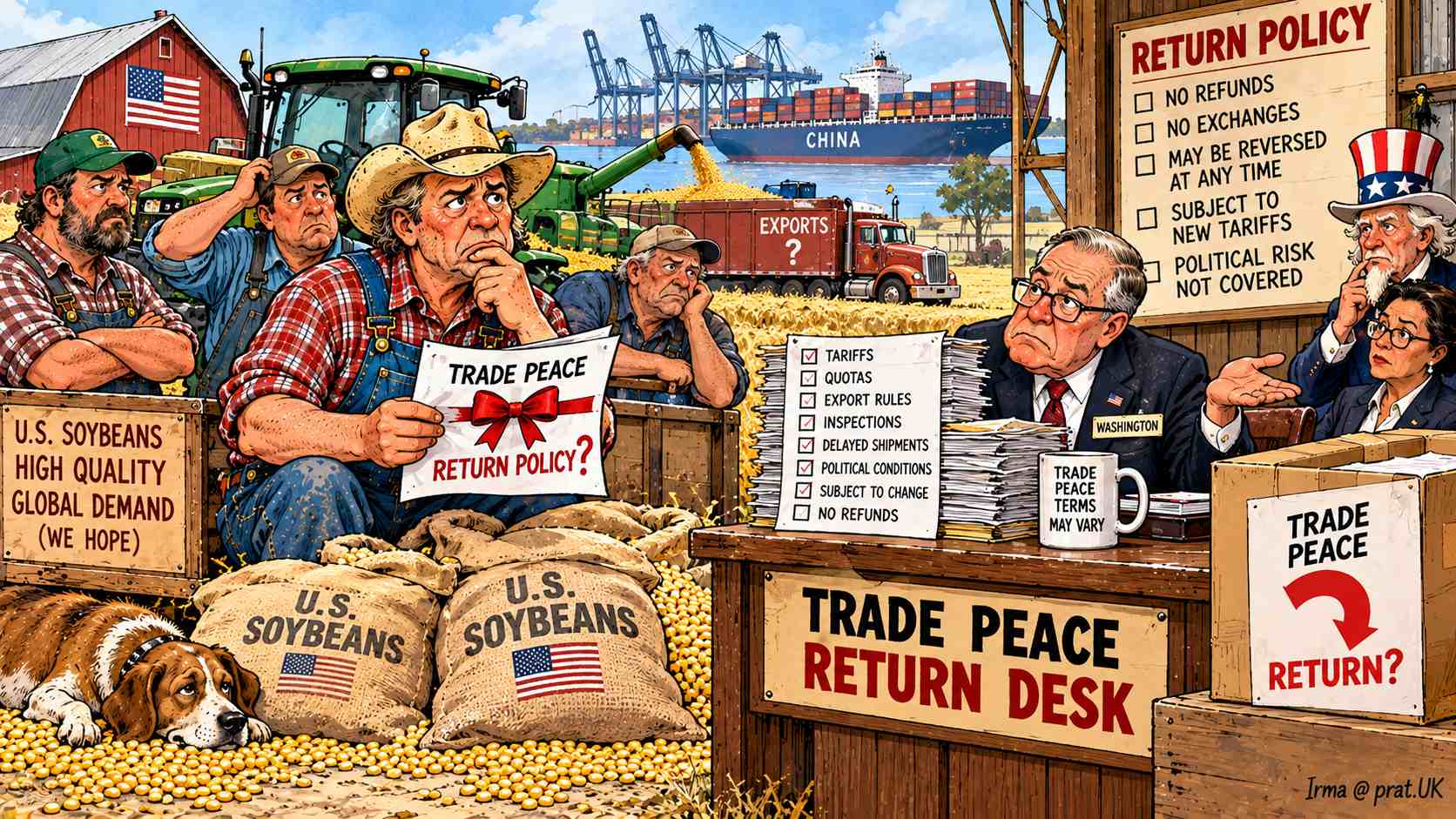
How does food aid connect to American farms?
U.S. food aid has long been bought from American farmers and shipped to places facing hunger or disaster. That link is the heart of the Democratic case, as supporters tell it: a program that feeds people abroad also supports markets at home, and it builds goodwill the country cannot easily buy any other way.
The agencies behind this work include USDA and its Foreign Agricultural Service, which publishes program information and trade data. Details on specific programs change, so check those pages for current rules.
The idea of tying aid to farm purchases goes back decades, and supporters say it created a coalition of farm groups and humanitarian groups that kept aid funded. Whether that coalition still works the same way is part of today's argument, and it is worth reading both sides before deciding.
What do supporters want to protect or expand?
Supporters generally want food aid funded steadily rather than cut in tight budget years. Many also want flexibility, such as buying food closer to where it is needed when speed matters, alongside purchases from American producers.
They argue that a mix of approaches helps farmers and hungry families alike. They also stress monitoring, so that aid reaches the people it is meant for.
Supporters often add that aid is only one tool. Development help, such as improving storage, roads and local farming practices, can reduce the need for emergency food in the first place. They argue that a balanced approach is both kinder and cheaper over time.
- Stable funding across budget cycles
- Flexibility to respond quickly to emergencies
- Purchases from American farms where practical
- Reporting on how aid is used
Where do Colorado producers fit in?
Commodities grown in Colorado, such as wheat, beans and other crops, can end up in the food pipeline, though what is purchased in any year depends on program decisions. Readers who want to know how exports and aid affect markets can look at the International Trade Administration and the U.S. International Trade Commission.
Closer to home, the Colorado Department of Agriculture has resources for producers interested in markets beyond the state. The crop planning guide covers how markets influence what gets planted.
For a producer in southern Colorado the connection is usually indirect. Export and aid demand can affect commodity prices, which in turn affect what a wheat or bean grower is offered at the elevator. The rural farm information guide explains how these pressures move through small communities.
What do critics say?
Critics, including some Republican lawmakers and several development researchers, respond that rules requiring aid to be shipped on U.S. vessels or bought domestically add cost and slow delivery. They argue that more money could reach people if purchases were made locally in affected regions.
Supporters of the current structure answer that domestic sourcing keeps political support for aid alive in farm country, and that shipping rules maintain a sea transport capacity the country needs. The disputed point is how much cost the rules add, which is why independent reviews matter.
Humanitarian groups are often split too. Some favor local purchase because it is faster and supports farmers where hunger is happening, while others support the American-sourced model because it keeps donors engaged. Readers should treat claims of a single clear winner with caution.
How can you check the facts?
Look at official reports instead of claims on either side. GAO reports often examine how aid programs perform, and Congress.gov shows the legislation and amendments behind them.
Be wary of any single dollar figure. Programs are funded through several channels and the totals vary by year, so verify any number against the source named.
If you are curious about the farm side, ask your county FSA office how commodity programs interact with export demand. They will not set policy, but they can explain how local prices have responded to past changes.
Following the story
At farm.FM, trade and aid stories sit in the farm.FM news section next to the satire, and the economics coverage at farm.FM ranching follows how markets reach ranchers. For a lighter read on farm exports, see a farm.FM story on grain exports.
Your own questions to bring to a candidate or town hall: how would the proposal change what farmers are paid, and how would it change how fast aid reaches people in need?
Sources and further reading
- USDA: U.S. Department of Agriculture
- USDA Foreign Agricultural Service: export markets and trade data
- International Trade Administration: export help for U.S. businesses
- U.S. International Trade Commission: tariff and trade data
- GAO: government watchdog reports
- Congress.gov: bills and legislative status
Ask locally: A grain elevator manager or your local FSA office can tell you how export and aid demand shows up in local prices.